

Rounded Shoulders and Text Neck — Understanding Modern Posture and How to Unwind It

Take a look around in any café, airport, or office, and you’ll see a familiar shape: heads tilted forward, shoulders rolled inward, spines curved over glowing screens. This posture has become so common that it almost feels normal—but over time, it can lead to a pattern known as rounded shoulders and text neck.
While these terms may sound casual, the effects on the body are very real. The good news is that with awareness—and the support of bodywork—these patterns can begin to shift.
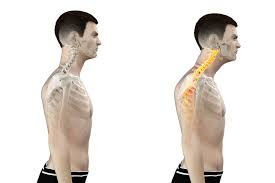
What Are Rounded Shoulders?
Rounded shoulders occur when the shoulders drift forward from their neutral position, often accompanied by a collapse in the chest and upper back. Instead of sitting stacked over the ribcage, the shoulders internally rotate and pull inward.
This posture is typically driven by imbalance:
Tight (hypertonic) muscles: chest (pectorals), front shoulders
Weak (hypotonic) muscles: upper back, rear shoulders, postural stabilizers
Over time, this imbalance makes it harder—not easier—to “stand up straight,” even when you try.
What Is Text Neck?
Text neck refers to the forward head posture that develops from looking down at phones, laptops, or other devices for extended periods. The head, which ideally balances over the spine, shifts forward—placing increasing strain on the neck and upper back.
For every inch the head moves forward, the load on the cervical spine increases significantly. What feels like a small tilt can translate into substantial muscular effort.
Common signs include:
Neck stiffness or soreness
Tension headaches
Tightness between the shoulder blades
Reduced range of motion in the neck
How These Patterns Develop
Rounded shoulders and text neck are rarely caused by a single factor. Instead, they emerge from repeated habits and environmental demands.
1. Screen-Based Lifestyles
Phones, laptops, and desk work encourage a forward, inward posture. Hours spent in this position teach the body that this is the new “normal.”
2. Lack of Movement Variety
When the body stays in one position too long, certain muscles adapt by shortening while others become underused and less responsive.
3. Stress and Emotional Patterns
Stress often shows up physically as a protective posture—shoulders rounding forward, chest closing, head dropping. Over time, this can become habitual.
4. Breathing Patterns
Shallow, chest-based breathing can reinforce tension in the upper body, especially around the neck and shoulders.

The Ripple Effects on the Body
These postural patterns don’t just affect appearance—they influence how the entire body functions.
You might experience:
Chronic neck and shoulder pain
Reduced lung expansion from a collapsed chest
Fatigue from inefficient muscle use
Headaches or jaw tension
Limited mobility in the upper spine
Because the body works as a system, changes in the upper body can even affect the lower back and hips.

How Bodywork Helps
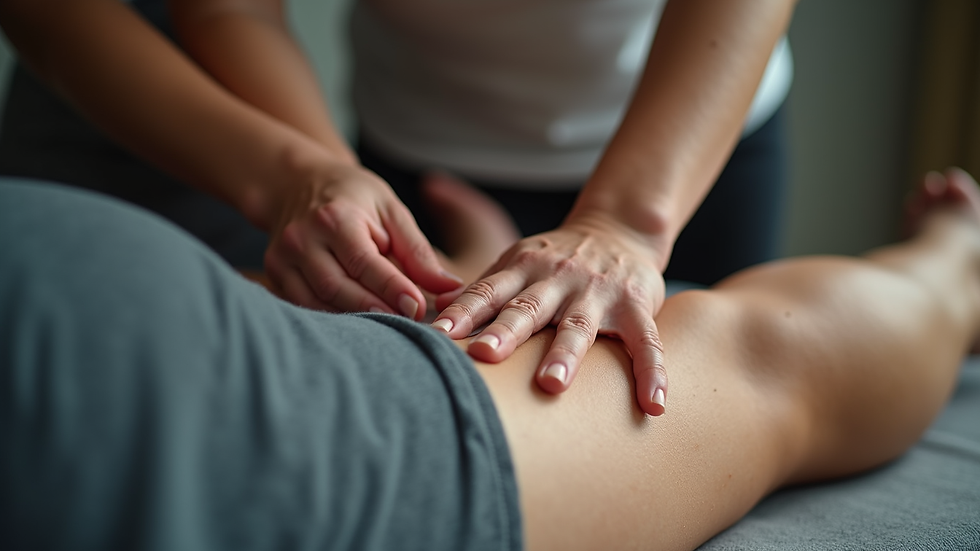
Bodywork offers a hands-on way to interrupt these patterns and restore a sense of balance.
1. Releasing Tight Front-Line Muscles
Practitioners often focus on areas that have become shortened and overactive:
Chest (pectorals)
Front shoulders
Neck flexors
Gentle, sustained techniques help these tissues lengthen and soften, reducing the forward pull on the shoulders and head.
2. Reducing Neck and Upper Back Tension
The muscles along the neck and between the shoulder blades often become overworked trying to support a forward head position. Bodywork can ease this strain, creating a sense of relief and space.
3. Restoring Mobility
Stiffness in the upper spine (thoracic spine) is a major contributor to rounded posture. By improving mobility here, the body can more easily return to an upright position.
4. Building Awareness
Perhaps the most transformative aspect is awareness. Many people don’t realize how far forward their head or shoulders have drifted until they feel a more balanced position during a session.
This awareness carries into daily life:
Noticing when you start to slump
Adjusting your posture without force
Taking breaks before tension builds
Simple Shifts That Support Change
While bodywork is powerful, lasting change comes from small, consistent habits:
Raising screens to eye level when possible
Taking frequent movement breaks
Gently opening the chest throughout the day
Strengthening the upper back and postural muscles
Practicing relaxed, diaphragmatic breathing
The goal isn’t rigid posture—it’s adaptability and ease.
A Compassionate Perspective
It’s easy to view rounded shoulders and text neck as “bad posture,” but they’re really adaptations to how we live. Your body is responding intelligently to repeated demands.
Bodywork approaches this with respect, not force—helping unwind tension, reconnect neglected muscles, and give your body more options.
Rounded shoulders and text neck are part of the modern human experience—but they don’t have to define how you feel in your body. With the right combination of awareness, movement, and hands-on support, it’s possible to shift out of these patterns.
The process isn’t about perfection. It’s about rediscovering balance, creating space, and moving through your day with less strain and more ease.
Relish Well-ness to the Core with our Relaxing Massage Sessions: Wellness Rituals offers effective alternative healing therapies such as Thai Yoga Massage or our Table Top Stretch Sessions. This unique healing therapy incorporates Yoga, pressure points, and reflexology, aiming to reduce body fatigue.
Relish A True Sense of Well-Being Through Expert Services
We use experienced approaches to promote good health in our clients through relaxing spa treatments and life-changing wellness services because We Care for You the Most!
Thank you for following us! Don't forget to find us via our website @www.myrituals.me or check out our latest blog posts on our Facebook and Instagram pages.
Let's stay connected through our social networks including Facebook, Instagram, and LinkedIn all are found at
Facebook : https://www.facebook.com/wellnessritualsme
Instagram: https://www.instagram.com/wellnessritualsme
You can always BOOK ONLINE!
Orlando Location: www.vagaro.com/mywellnessrituals
Text to Book: 407-535-2331. Thank you for following us!
You'll see that we have something new posted every day - so keep checking back!



Comments